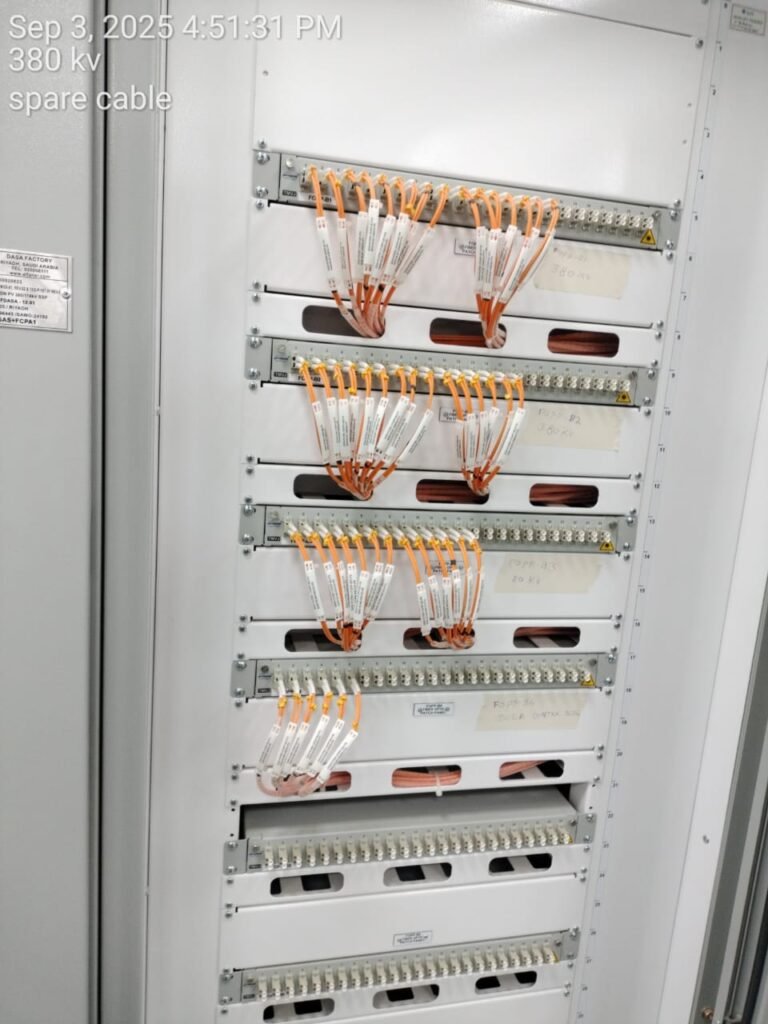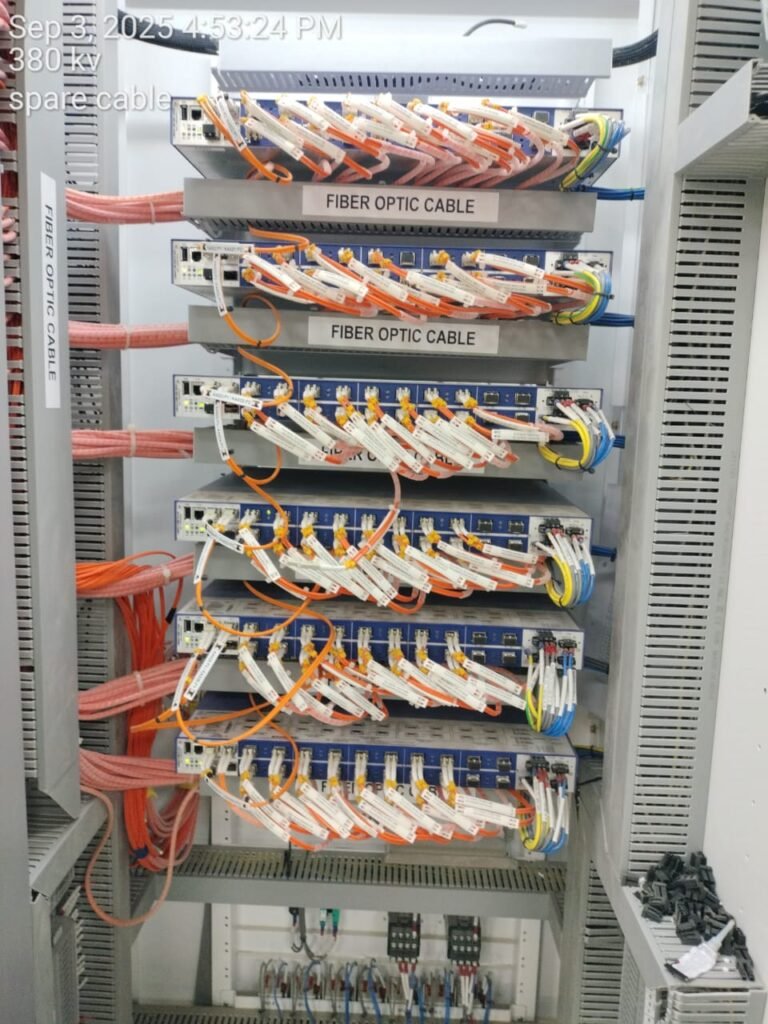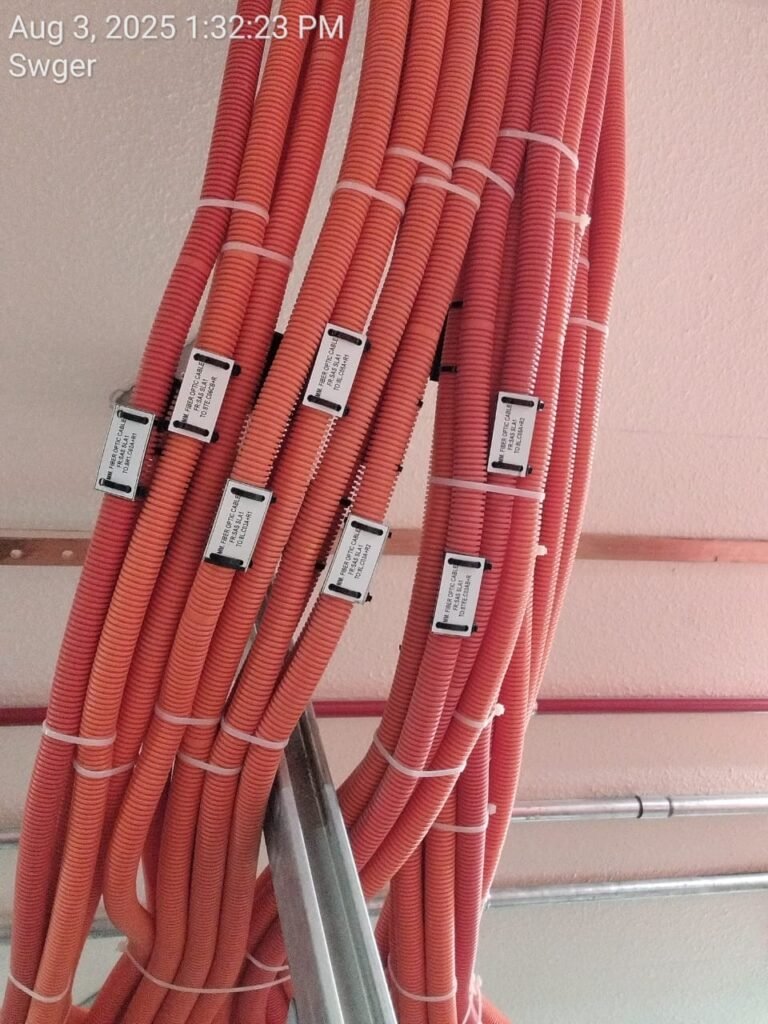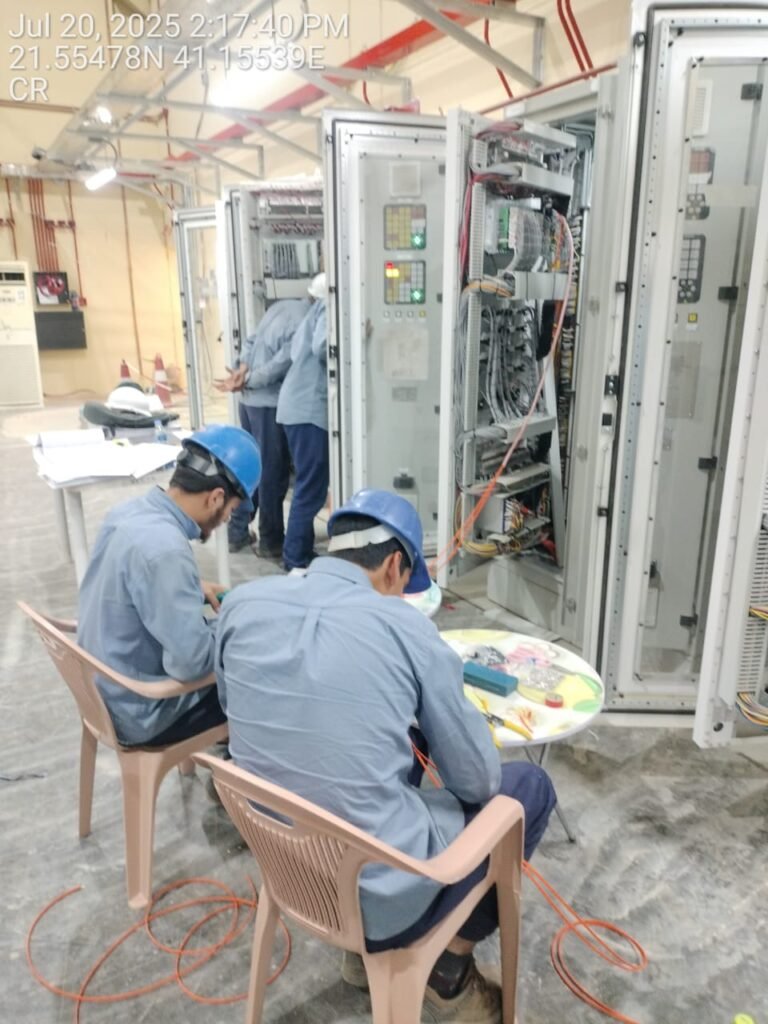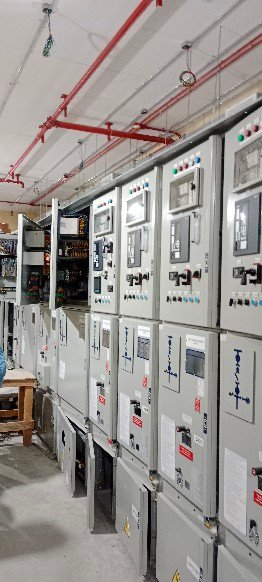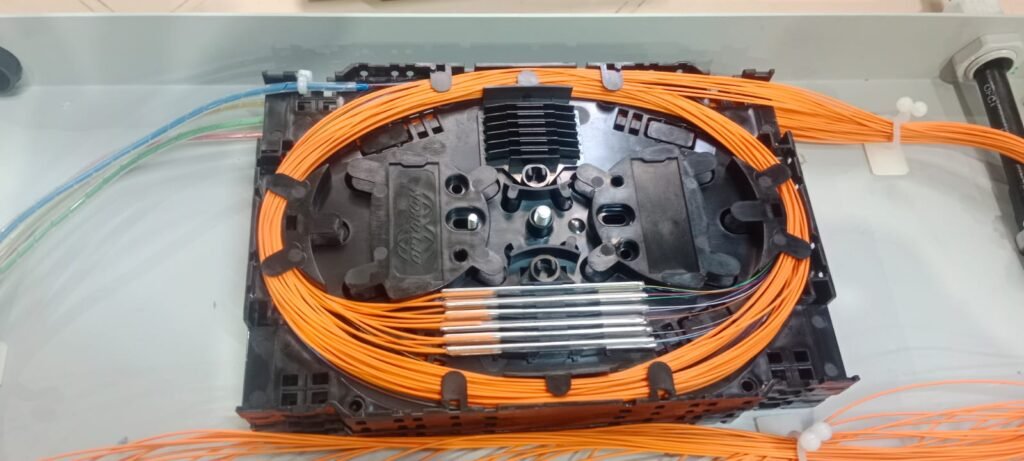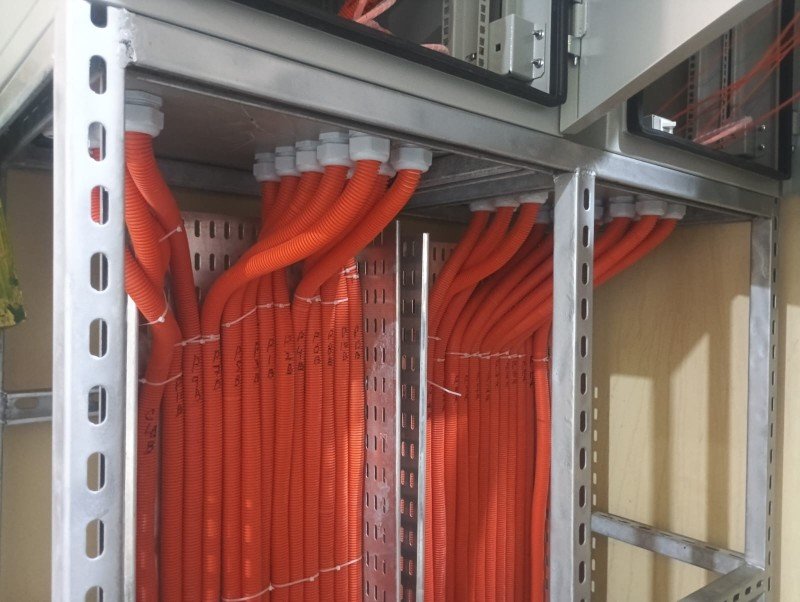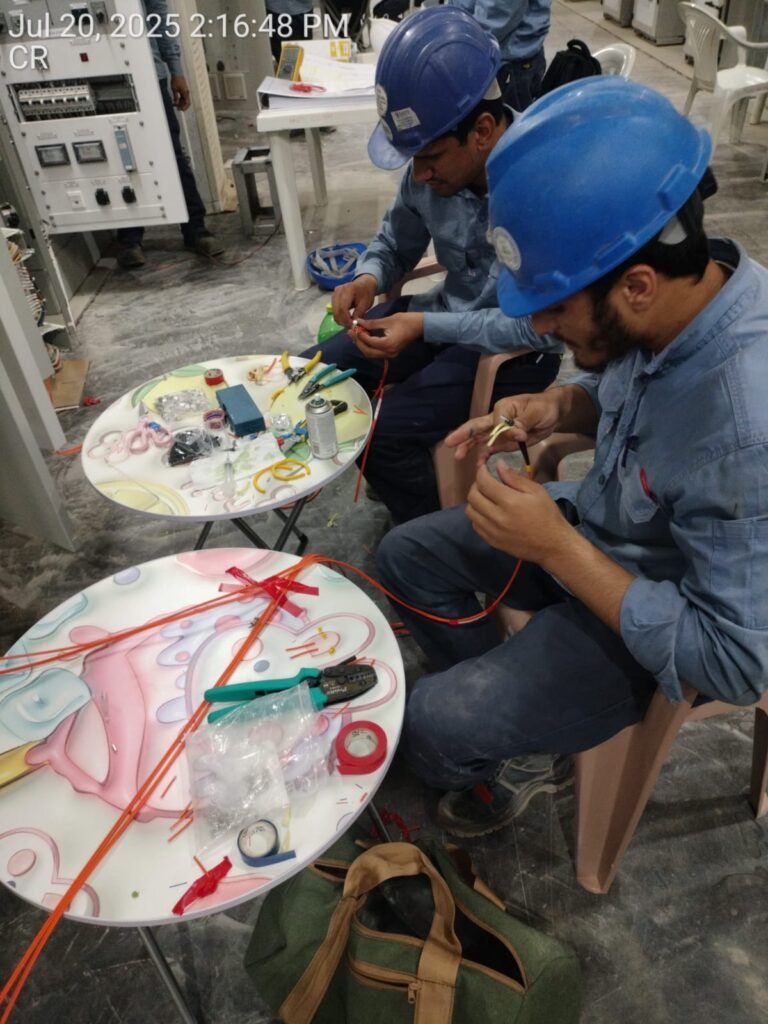
A Substation Automation System (SAS) is a digital, automated system that enhances electrical substation operations by combining control, monitoring, protection, and communication functions.
At Think-of-Technology, our Substation Automation System (SAS) solutions are designed to modernize and optimize power substations with cutting-edge digital technology. The key functions of our SAS include:
Substation Automation System (SAS) Functions
Monitoring and Control:
At Think-of-Technology, the Monitoring and Control function forms the backbone of our Substation Automation System (SAS), enabling operators to supervise and manage substation assets with precision and reliability. Through real-time data acquisition and intelligent command execution, our system provides complete visibility into substation operations, including voltage levels, current flow, breaker status, and environmental conditions. Advanced HMIs and IEDs facilitate seamless interaction, allowing for quick decision-making and responsive control actions. Whether it’s local supervision or remote control via SCADA, our solutions ensure operational efficiency, enhance situational awareness, and reduce manual intervention — all while maintaining the highest standards of safety and reliability.
Protection:
Think-of-Technology, the Protection function is a critical component of our Substation Automation System (SAS), designed to safeguard electrical infrastructure from faults, overloads, and abnormal conditions. Utilizing advanced Intelligent Electronic Devices (IEDs), our protection schemes detect and isolate faults within milliseconds, minimizing damage to equipment and ensuring uninterrupted power supply to end users. We implement a wide range of protective relaying functions—including overcurrent, differential, distance, and earth fault protection—tailored to the specific requirements of each substation. With high-speed communication protocols and automated fault isolation, our protection system enhances grid stability, reduces outage durations, and supports rapid system restoration, all while complying with international standards like IEC 61850.
Data Acquisition:
At Think-of-Technology, our approach to Data Acquisition focuses on delivering precise, real-time visibility into substation operations. By continuously capturing key operational parameters from intelligent devices and field sensors, our system ensures that every critical event, measurement, and equipment status is recorded and made instantly available to operators and control centers. This seamless flow of data enables early detection of anomalies, supports advanced analytics, and strengthens decision-making at every level. With scalable architecture and compatibility with industry standards, our data acquisition framework not only simplifies integration with existing SCADA and EMS platforms but also lays the groundwork for future-ready, data-driven grid management.
Remote Access and Communication:
At Think-of-Technology, our Substation Automation System is built with advanced Remote Access and Communication capabilities, enabling secure and efficient connectivity between field equipment and central control systems. Leveraging modern communication protocols such as IEC 61850, DNP3, and Modbus, our solutions ensure real-time data exchange, system commands, and status updates across both local and wide-area networks. Engineers and operators can remotely monitor substation performance, issue control commands, and perform diagnostics—reducing the need for physical site visits and accelerating response times. With a strong focus on cybersecurity and system reliability, our communication infrastructure is designed to support mission-critical operations, enhance grid coordination, and streamline utility workflows in both routine and emergency scenarios.
Automation and Interlocking:
At Think-of-Technology, our Automation and Interlocking solutions are engineered to enhance operational efficiency and safety within substations by minimizing human intervention and ensuring process consistency. Through programmable logic and predefined operational sequences, our system automates routine switching, load transfers, and fault-handling procedures. Interlocking logic is intelligently implemented to prevent unsafe or conflicting operations, such as simultaneous breaker closures or incorrect isolator movements. This ensures that substation equipment operates only under safe, verified conditions. Our flexible and scalable automation framework not only accelerates response times but also reduces the risk of operator error, contributing to a more resilient and intelligent power network.
Event and Fault Recording:
At Think-of-Technology, our Event and Fault Recording capabilities play a critical role in improving substation reliability and supporting faster system recovery. Our Substation Automation System continuously monitors and logs key events, fault occurrences, and system disturbances with high time-resolution and precision. These records provide a detailed timeline of operations and anomalies, enabling engineers to perform root cause analysis, verify protection system responses, and comply with regulatory reporting standards. With synchronized time stamping and integration with GPS or IRIG-B sources, our fault recording system ensures accurate reconstruction of incident sequences across the grid. This powerful insight supports proactive maintenance strategies and helps utilities reduce downtime, improve asset performance, and enhance overall system transparency.
System Integration:
At Think-of-Technology, we prioritize System Integration as a cornerstone of our Substation Automation System, ensuring seamless interoperability between field-level devices, control systems, and enterprise applications. Our solutions are designed to unify diverse hardware and software platforms—including SCADA, EMS, DMS, and asset management systems—into a cohesive, intelligent network. Using open standards like IEC 61850, OPC, and other industry protocols, we enable real-time data sharing, coordinated control, and centralized visibility across the entire power infrastructure. This integration not only simplifies operations and reduces engineering complexity but also enhances scalability, allowing utilities to adapt quickly to evolving grid demands and future digital transformation initiatives.